


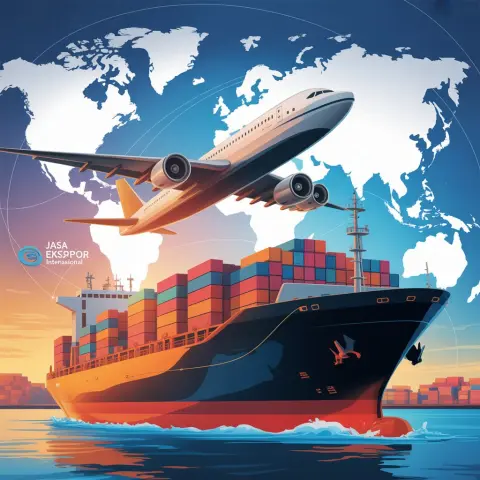
Ensure Smooth Hazardous Goods Imports into Indonesia Without Customs Delays
Importing hazardous goods into Indonesia can be a complex process for manufacturers, distributors, and industrial companies. Many businesses experience costly delays because of incomplete permits, inaccurate HS Code classification, missing Safety Data Sheets (SDS), or non-compliance with Indonesian B3 regulations.
For companies that rely on chemicals, lithium batteries, industrial raw materials, or other regulated hazardous cargo, even a small documentation error can result in customs holds, cargo inspections, demurrage charges, or shipment rejection.
As Indonesia continues strengthening customs supervision through CEISA 4.0 and the National Logistics Ecosystem (NLE), compliance has become more important than ever. Businesses need a logistics partner that understands both international dangerous goods regulations and Indonesian import requirements.
GF Lines provides professional B3 Hazardous Goods Custom Clearance Jakarta with Official Permit services to help businesses import hazardous cargo safely, legally, and efficiently. With more than 10 years of experience in international freight forwarding and customs clearance, we help ensure your supply chain remains uninterrupted.
Contact GF Lines for Free Consultation: 6285199110760
Understanding Indonesia’s B3 Hazardous Goods Compliance Framework
Hazardous goods classified as Bahan Berbahaya dan Beracun (B3) are subject to strict government regulations before they can enter Indonesia.
Imports arriving through major gateways such as Port of Tanjung Priok and Soekarno-Hatta International Airport (CGK) must comply with multiple regulatory requirements and government approvals.
In 2026, Indonesian authorities continue utilizing integrated monitoring systems through:
- CEISA 4.0
- National Logistics Ecosystem (NLE)
- Electronic Customs Verification Systems
- Cross-agency permit validation platforms
As a result, every shipment is electronically verified before customs clearance approval is issued.
Multi-Agency Approval Requirements for B3 Cargo
Unlike standard commercial cargo, hazardous goods require approvals from several government agencies.
Ministry of Environment and Forestry (KLHK)
KLHK issues the official B3 Registration Certificate required for specific hazardous materials entering Indonesia.
Ministry of Trade (Kemendag)
Importers may be required to obtain an Import Approval (Persetujuan Impor / PI) depending on the commodity classification.
International Dangerous Goods Regulations
All hazardous shipments must comply with internationally recognized standards, including:
- International Maritime Dangerous Goods (IMDG) Code for ocean freight
- IATA Dangerous Goods Regulations for air freight
- Globally Harmonized System (GHS) requirements
- Dangerous Goods packaging and labeling standards
Failure to comply with these regulations can lead to customs delays and cargo rejection.
Mandatory Documents for B3 Hazardous Goods Customs Clearance
Proper documentation is essential for successful customs clearance.
GF Lines assists clients in reviewing, validating, and submitting all required documentation before cargo arrival.
International Export Documents
Safety Data Sheet (SDS) / MSDS
Provides detailed information regarding chemical composition, hazards, handling procedures, and emergency response measures.
Certificate of Analysis (CoA)
Laboratory-certified report confirming the product’s chemical specifications and composition.
Bill of Lading (B/L) or Air Waybill (AWB)
Primary transport document that serves as proof of shipment and ownership.
Certificate of Origin (COO)
Required for certain trade agreements and preferential duty treatment programs.
Indonesian Import Documents
NIB (Business Identification Number)
Functions as the importer’s primary business registration and import authorization reference.
Official B3 Registration Permit
Required for hazardous materials subject to environmental regulations.
Pemberitahuan Impor Barang (PIB)
Official customs declaration submitted electronically through Indonesia’s customs system.
Supporting Ministry Approvals
Additional permits may be required depending on the nature of the hazardous goods being imported.
Customs Clearance Process for Hazardous Goods in Jakarta
1. Pre-Shipment Compliance Review
GF Lines reviews all documentation, SDS details, permits, and HS Code classifications before cargo departure.
2. Cargo Arrival at Port or Airport
The shipment arrives at Port of Tanjung Priok or Soekarno-Hatta International Airport.
3. Customs Declaration Submission
Import declarations are submitted through CEISA and NLE systems.
4. Customs Verification
Authorities verify documents, permits, and cargo information.
5. Customs Release
Once approved, cargo is released for onward transportation to the final destination.
Estimated Transit and Customs Clearance Timeline
| Transport Mode | Arrival Gateway | Transit Time | Customs Clearance Time |
|---|---|---|---|
| Sea Freight (Singapore / Malaysia) | Tanjung Priok | 3 – 5 Days | 2 – 4 Working Days |
| Sea Freight (India / China) | Tanjung Priok | 12 – 18 Days | 2 – 4 Working Days |
| Air Freight (Global Origins) | Soekarno-Hatta Airport | 1 – 3 Days | 1 – 2 Working Days |
Red Channel Inspection Risk
If customs officers identify incomplete permits, documentation discrepancies, or regulatory concerns, the shipment may be routed to the Red Channel (Jalur Merah).
This can result in:
- Physical cargo inspection
- Extended customs processing
- Additional terminal handling procedures
- Clearance delays of approximately 5–7 working days
Proper preparation significantly reduces this risk.
Why Choose GF Lines for B3 Hazardous Goods Clearance?
More Than 10 Years of Experience
GF Lines has extensive experience handling customs clearance and international logistics for regulated cargo.
Hazardous Goods Compliance Specialists
Our team reviews chemical specifications, SDS documentation, and HS Code classifications before shipment to minimize customs risks.
Official Undername and Importer of Record (IOR) Services
Businesses that are still completing certain permit requirements may utilize GF Lines’ legally compliant undername and IOR solutions where applicable.
End-to-End Logistics Management
From customs clearance to final delivery, we coordinate the entire supply chain to ensure smooth cargo movement.
Specialized Hazardous Goods Transportation
Cleared cargo can be distributed using transportation solutions that comply with applicable hazardous goods handling requirements.
Free Consultation
Our compliance specialists are ready to assist with permit requirements, customs procedures, documentation preparation, and shipment planning.
Secure Your Hazardous Goods Supply Chain with GF Lines
Hazardous cargo imports require more than transportation expertise. They demand strict regulatory compliance, accurate documentation, and experienced customs clearance management.
A single compliance error can disrupt production schedules, delay critical materials, and create unnecessary costs for your business.
With over 10 years of experience, GF Lines helps businesses navigate Indonesia’s complex hazardous goods import regulations while maintaining efficiency, safety, and legal compliance.
Contact GF Lines Today for a Free Consultation
WhatsApp: 6285199110760
Frequently Asked Questions (FAQ)
1. What are B3 Hazardous Goods?
B3 (Bahan Berbahaya dan Beracun) refers to hazardous and toxic substances regulated by the Indonesian government due to potential environmental and safety risks.
2. Do hazardous goods require special permits in Indonesia?
Yes. Depending on the product classification, importers may require approvals from KLHK, the Ministry of Trade, and other regulatory agencies.
3. How long does B3 customs clearance usually take?
Under normal conditions, customs clearance typically takes 1–4 working days, depending on the transport mode and customs channel assignment.
4. What happens if my shipment is assigned to the Red Channel?
The shipment will undergo physical inspection and additional verification, which may extend customs clearance to approximately 5–7 working days.
5. Can GF Lines assist with permits and compliance documentation?
Yes. GF Lines provides comprehensive support for permit applications, document verification, customs declarations, and hazardous goods logistics management.
Baca juga: