


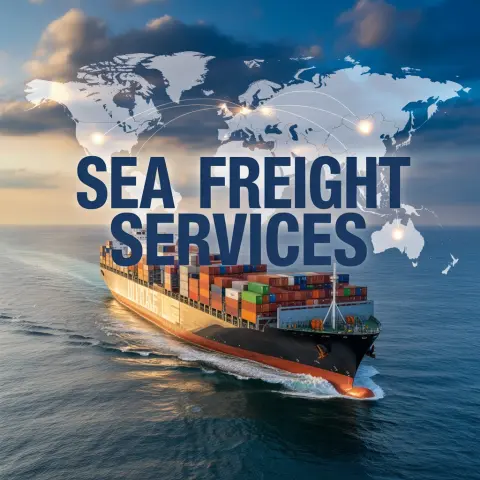
Finding dependable sea freight forwarding services to Indonesia is essential for businesses that want efficient customs clearance, predictable transit schedules, and secure cargo handling. GF Lines provides integrated ocean freight solutions backed by more than 10 years of logistics experience and free consultation for importers and exporters.
International trade continues to grow across Asia-Pacific, making Indonesia one of Southeast Asia’s largest logistics hubs. However, many businesses still struggle with shipment delays, customs documentation, unexpected port procedures, and inefficient coordination between freight forwarders and customs brokers.
Choosing the right forwarding company is no longer just about booking vessel space. Today’s businesses require a logistics partner capable of managing every stage of the supply chain—from cargo collection to customs clearance and final delivery.
GF Lines (PT GF Lines) provides comprehensive sea freight forwarding services to Indonesia for businesses shipping from Singapore, China, Malaysia, South Korea, Japan, Europe, the United States, and many other international origins.
Why Businesses Choose Sea Freight Forwarding Services to Indonesia
Ocean freight remains the most economical solution for commercial cargo, industrial equipment, raw materials, consumer products, machinery, and project cargo.
Major advantages include:
- Lower transportation costs for bulk shipments
- Flexible FCL and LCL shipping options
- Worldwide shipping network
- High container capacity
- Suitable for oversized cargo
- Better long-term supply chain planning
Whether your company ships monthly containers or occasional cargo, professional freight forwarding minimizes operational risks while improving delivery consistency.
Common Challenges When Shipping Cargo to Indonesia
Many importers experience avoidable delays because logistics planning starts too late.
Typical problems include:
- Incorrect HS Code classification
- Missing import documentation
- Customs inspection delays
- Port congestion
- Vessel schedule changes
- Poor communication between multiple logistics providers
- Unexpected local handling procedures
A professional freight forwarder helps coordinate these processes before cargo even departs the origin country.
Shipping from Singapore to Indonesia: One of the Busiest Regional Trade Routes
One of the highest-demand services today is shipping from Singapore to Indonesia.
Singapore functions as Asia’s largest transshipment hub, connecting thousands of international shipping routes into Indonesia.
Common cargo includes:
- Electronics
- Industrial machinery
- Medical equipment
- Automotive components
- Retail products
- Food ingredients
- Chemicals
- Construction materials
GF Lines coordinates shipments arriving through major Indonesian gateways including:
| Indonesian Gateway | Main Cargo |
|---|---|
| Tanjung Priok (Jakarta) | General Import |
| Tanjung Perak (Surabaya) | Manufacturing |
| Belawan (Medan) | Agriculture & Industry |
| Makassar | Eastern Indonesia Distribution |
| Bitung | Regional Cargo |
Cargo Sea Freight Jakarta: Indonesia’s Primary International Gateway
For most international shipments, cargo sea freight Jakarta remains the preferred solution because Tanjung Priok Port handles the majority of Indonesia’s container traffic.
Advantages include:
- Multiple weekly vessel schedules
- Large customs infrastructure
- Extensive trucking network
- Container depots
- Warehousing facilities
- Nationwide cargo distribution
Businesses importing through Jakarta can subsequently distribute cargo throughout Indonesia using domestic shipping networks.
Required Shipping Documents
International ocean freight requires complete documentation to prevent customs delays.
GF Lines assists clients with preparing and verifying:
- Bill of Lading (B/L)
- Commercial Invoice
- Packing List
- Certificate of Origin (COO)
- Import Declaration (PIB)
- Export Declaration (PEB)
- Insurance Certificate (if applicable)
- Import License (NIB/API)
- HS Code verification
- Product-specific permits when required
Proper documentation significantly reduces customs processing time.
Step-by-Step Shipping Process
Understanding the shipping workflow helps businesses better plan inventory and production schedules.
| Process | Description |
|---|---|
| Consultation | Cargo assessment and logistics planning |
| Quotation | Shipping solution and route recommendation |
| Cargo Collection | Pickup or warehouse receiving |
| Documentation | Verification of shipping documents |
| Customs Clearance | Export/import customs processing |
| Vessel Loading | Container loading |
| Ocean Transportation | International sea freight |
| Arrival Handling | Port handling and customs release |
| Final Delivery | Delivery to warehouse or project site |
Businesses receive shipment updates throughout each operational stage.
Catatan Praktisi Logistik GF Lines
Successful international shipping depends on planning before the cargo leaves the warehouse—not after it reaches the port.
With more than 10 years of customs clearance experience, GF Lines understands the practical challenges businesses face when importing into Indonesia. Our team stays updated with the latest 2026 customs regulations, port procedures, and international trade requirements to help clients reduce unnecessary delays.
We also provide Free Consultation to evaluate shipping methods, documentation requirements, container options, customs procedures, and overall supply chain efficiency before shipment begins.
FCL vs LCL: Which Shipping Method Fits Your Business?
Full Container Load (FCL)
Recommended for:
- Manufacturers
- Industrial suppliers
- Large import volumes
- Machinery
- Building materials
- Export commodities
Benefits include:
- Faster handling
- Lower risk of cargo mixing
- Better security
- Efficient for high-volume shipments
Less than Container Load (LCL)
Suitable for:
- SMEs
- Retail businesses
- Product samples
- Small commercial shipments
- E-commerce imports
Benefits include:
- Lower minimum shipment volume
- Flexible scheduling
- Cost-sharing container space
GF Lines helps determine the most efficient option based on shipment size and destination.
Areas Served by GF Lines
GF Lines supports businesses throughout Indonesia with international sea freight solutions.
| Area | Main Service |
|---|---|
| Jakarta | Import & Export |
| Bekasi | Industrial Cargo |
| Tangerang | Manufacturing |
| Karawang | Factory Logistics |
| Cikarang | Export Cargo |
| Surabaya | Eastern Indonesia Gateway |
| Medan | Sumatra Distribution |
| Makassar | Eastern Indonesia Logistics |
| Batam | Cross-border Trade |
International origin coverage includes:
- Singapore
- Malaysia
- China
- Japan
- South Korea
- Taiwan
- Thailand
- Vietnam
- Europe
- USA
Why Choose GF Lines?
Businesses trust GF Lines because we offer:
- International sea freight expertise
- More than 10 years of logistics experience
- Licensed customs clearance support
- FCL & LCL shipping services
- Door-to-door logistics solutions
- Warehousing support
- Import and export assistance
- Free logistics consultation
- Transparent shipment process
- Reliable international forwarding network
How GF Lines Helps Reduce Shipping Risks
Professional freight forwarding is not simply transporting containers.
Our operational team actively manages:
- Shipping schedules
- Documentation review
- Customs coordination
- Port handling
- Cargo monitoring
- Delivery planning
- Regulatory compliance
- Communication with shipping lines
This integrated approach helps businesses maintain stable supply chains and minimize operational disruptions.
Frequently Asked Questions
1. What sea freight forwarding services does GF Lines provide?
GF Lines manages international ocean freight, customs clearance, documentation, FCL, LCL, warehousing, and door-to-door delivery for commercial shipments to Indonesia.
2. Can GF Lines handle shipping from Singapore to Indonesia?
Yes. We regularly coordinate shipping from Singapore to Indonesia for commercial cargo, industrial goods, machinery, retail products, and project shipments.
3. What documents are required for importing cargo into Indonesia?
Common documents include the Bill of Lading, Commercial Invoice, Packing List, Certificate of Origin, PIB, import licenses, and product-specific permits depending on the cargo.
4. Should I choose FCL or LCL shipping?
FCL is recommended for larger cargo volumes requiring a dedicated container, while LCL is ideal for smaller shipments sharing container space.
5. Does GF Lines provide customs clearance services?
Yes. GF Lines assists businesses with customs documentation, compliance, cargo clearance, and coordination with Indonesian customs authorities.
Partner with GF Lines for Professional Sea Freight Forwarding Services to Indonesia
International shipping requires more than vessel bookings—it demands careful planning, regulatory compliance, and reliable execution. Whether you’re importing industrial machinery, consumer products, raw materials, or commercial cargo, GF Lines is ready to help streamline your global supply chain with dependable sea freight forwarding services to Indonesia.
Contact GF Lines today via WhatsApp:
6285199110760
Baca juga: