


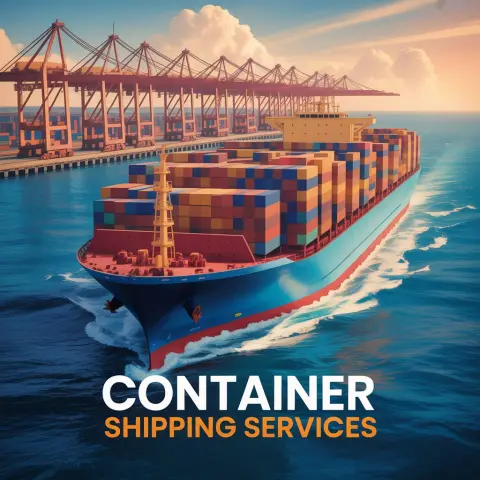
Expanding into Indonesia’s booming e-commerce market offers enormous opportunities, but many international businesses quickly discover that shipping products into the country is far more complex than it appears. Delayed customs clearance, changing import regulations, documentation errors, and challenging last-mile delivery networks can significantly impact profitability and customer satisfaction.
With more than 200 million internet users and a rapidly growing appetite for imported products, Indonesia has become one of Southeast Asia’s most attractive e-commerce destinations. However, success requires more than great products—it requires a reliable e-commerce logistics solution for shipping to Indonesia.
At GF Lines, we help international brands, distributors, and e-commerce businesses streamline their cross-border logistics operations through integrated freight forwarding, customs clearance, warehousing, and distribution services. With more than 10 years of experience and Free Consultation services, we help businesses enter and scale within the Indonesian market with confidence.
Understanding the E-Commerce Logistics Landscape in Indonesia
Shipping products into an archipelago consisting of more than 17,000 islands requires specialized logistics expertise. As Indonesia’s digital economy continues to mature in 2026, customers increasingly expect faster deliveries, real-time tracking, and greater supply chain transparency.
Businesses that can efficiently manage their logistics operations gain a significant competitive advantage in this growing market.
The Growing Trend of Cross-Border E-Commerce Consolidation
Rather than relying on expensive direct-to-consumer international shipments, many global sellers now utilize a B2B2C consolidation model.
This approach involves shipping cargo in bulk via Sea Freight or Air Freight to Indonesia, where inventory is stored in a centralized warehouse before being distributed to customers through local fulfillment networks.
The benefits include:
- Lower logistics costs
- Improved customs clearance efficiency
- Faster domestic delivery times
- Better inventory management
- Reduced shipping expenses by up to 40% compared to individual international shipments
For growing e-commerce businesses, this strategy creates a more scalable and cost-effective supply chain.
Key Challenges in Indonesian Last-Mile Delivery
Indonesia’s geographical diversity presents unique logistical challenges. Delivery infrastructure in major commercial centers such as Jakarta differs significantly from remote destinations in Maluku, Papua, and other outer islands.
Without a reliable logistics partner, businesses may encounter:
- Longer delivery times
- Higher operational costs
- Limited shipment visibility
- Customer dissatisfaction
Partnering with an experienced freight forwarder such as GF Lines helps bridge the gap between international transportation and local fulfillment, ensuring a smoother customer experience across Indonesia.
2026 Indonesian Customs Regulations: What E-Commerce Sellers Need to Know
Indonesia is known for its strict import regulations and frequently updated customs requirements. Failing to comply with the latest regulations can result in shipment delays, penalties, cargo detention, or even forced re-export.
Understanding the current regulatory environment is essential for any company planning to ship products into Indonesia.
New Import Restrictions and Licensing Requirements
Following the latest updates to Indonesia’s Ministry of Trade regulations in 2026, several categories of imported goods are now subject to increased scrutiny and compliance requirements.
These include:
- Certain finished consumer goods
- Cosmetics without local BPOM approval
- Selected electronic products
- Restricted and monitored commodities
Working with a logistics and compliance specialist like GF Lines helps ensure your HS Code classifications, import permits, and documentation are properly reviewed before shipment departure.
Essential Documentation for Smooth Customs Clearance
Accurate documentation remains one of the most important factors in successful customs clearance.
The following documents are commonly required:
Commercial Invoice & Packing List
Accurately detailing transaction values, product descriptions, quantities, and packaging information.
Bill of Lading (B/L) or Air Waybill (AWB)
Official transportation documents issued by the carrier.
Certificate of Origin (COO)
Required when claiming preferential tariff benefits under applicable Free Trade Agreements such as the ASEAN-China FTA.
PEB (Pemberitahuan Ekspor Barang)
Export declaration documentation from the country of origin when applicable.
PI (Persetujuan Impor) / Import Approval
Required for products subject to import monitoring or quota restrictions.
NIB (Nomor Induk Berusaha)
The Indonesian importer’s official business registration number.
Proper documentation significantly reduces customs processing delays and minimizes compliance risks.
Estimated Shipping Cost & Transit Times to Indonesia (2026 Simulation)
Shipping costs and transit times vary depending on cargo volume, shipment origin, transportation mode, and applicable customs duties.
| Origin Hub | Shipping Mode | Average Transit Time | Estimated Cost Range (Per CBM / KG) | Best Suited For |
|---|---|---|---|---|
| China (Shenzhen/Ningbo) | Sea Freight (LCL) | 12 – 18 Days | $90 – $140 / CBM | High-volume merchandise, fashion, home decor |
| China (Guangzhou) | Air Freight | 3 – 5 Days | $4.5 – $6.5 / KG | Electronics, cosmetics, urgent inventory |
| Singapore | Sea Freight (LCL) | 3 – 5 Days | $70 – $100 / CBM | Regional inventory replenishment |
| Singapore | Air Freight | 1 – 2 Days | $2.5 – $4.0 / KG | Flash sales and urgent deliveries |
Note: Rates may fluctuate based on fuel surcharges, seasonal demand, cargo characteristics, and applicable HS Code duties. Contact GF Lines for a tailored shipping analysis.
Why Businesses Choose GF Lines for Shipping to Indonesia
International businesses require more than transportation—they need a logistics partner capable of managing compliance, reducing risks, and maintaining operational efficiency.
End-to-End Customs Clearance Expertise
Our experienced customs specialists handle:
- Import documentation
- HS Code verification
- Permit processing
- Customs compliance reviews
- Regulatory coordination
This helps businesses avoid costly delays and maintain smooth cargo movement into Indonesia.
Flexible Sea Freight and Air Freight Solutions
Whether you require:
- Full Container Load (FCL)
- Less than Container Load (LCL)
- Air Freight Consolidation
- Express Cargo Solutions
GF Lines provides flexible shipping options tailored to your business requirements and growth stage.
Strategic Warehousing and Distribution Network
Located in the Greater Jakarta area, our warehousing facilities support:
- Cargo consolidation
- Inventory management
- Temporary storage
- Distribution preparation
- Last-mile delivery integration
This enables seamless movement from international suppliers to Indonesian customers.
Scale Your E-Commerce Business in Indonesia with Confidence
Indonesia remains one of the most promising e-commerce markets in Southeast Asia. However, navigating customs regulations, transportation planning, and fulfillment operations requires local expertise and a trusted logistics partner.
GF Lines helps international businesses simplify the entire import process through integrated freight forwarding, customs clearance, warehousing, and distribution services.
Berpengalaman lebih dari 10 tahun.
Konsultasi Gratis untuk kebutuhan logistik dan pengiriman internasional Anda.
Contact GF Lines
WhatsApp: 6285199110760
Our logistics specialists are ready to help you evaluate shipping options, regulatory requirements, and supply chain strategies for the Indonesian market.
Frequently Asked Questions (FAQ)
1. What is the best shipping method for e-commerce cargo to Indonesia?
The best method depends on your cargo volume, urgency, and budget. Sea Freight is ideal for larger shipments, while Air Freight is suitable for time-sensitive products.
2. How long does customs clearance take in Indonesia?
Customs clearance timelines vary depending on cargo type, documentation accuracy, and inspection requirements. Proper preparation significantly reduces delays.
3. Can GF Lines help with import permits and compliance?
Yes. GF Lines provides customs clearance support, permit processing assistance, HS Code verification, and regulatory compliance guidance.
4. Does GF Lines offer warehousing services in Indonesia?
Yes. We provide warehousing, cargo consolidation, inventory handling, and distribution support within the Greater Jakarta area.
5. Can GF Lines handle both B2B and e-commerce shipments?
Absolutely. We support importers, distributors, wholesalers, retailers, and cross-border e-commerce businesses through customized logistics solutions.
Get Your Free Logistics Consultation Today
Ready to expand your business into Indonesia?
Contact GF Lines today and discover how our end-to-end logistics solutions can help you reduce shipping complexity, improve compliance, and accelerate business growth.
WhatsApp: 6285199110760
Baca juga: