

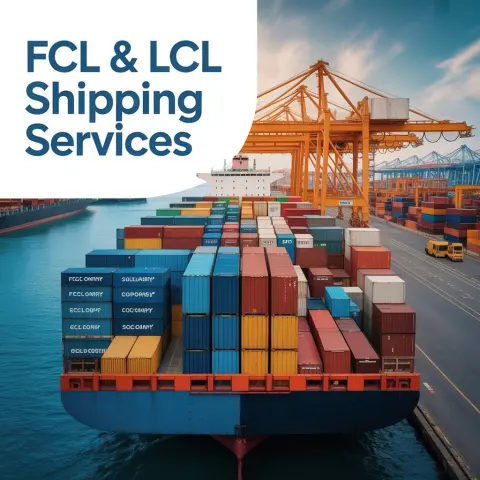
FCL shipping from Indonesia to Hamburg, Germany is a full-container shipping solution where one shipper uses an entire container for cargo transport. It offers better security, faster handling, and cost efficiency for large shipments moving through international sea freight routes.
Understanding FCL Shipping from Indonesia to Hamburg
FCL (Full Container Load) shipping is widely used by exporters sending large volumes of goods from Indonesia to Europe, particularly to Hamburg, one of the busiest ports in Germany and a key logistics hub in the European Union.
This shipping method ensures that your cargo occupies a dedicated container, reducing handling risks and improving delivery control. For businesses involved in manufacturing, commodities, or industrial exports, FCL provides a reliable and scalable logistics solution.
The route from Indonesia to Hamburg is part of major Asia–Europe trade lanes, supported by global shipping alliances and consistent vessel schedules.
Why Choose FCL Shipping for Indonesia–Germany Trade
Shipping goods internationally requires balancing cost, reliability, and efficiency. FCL shipping stands out for businesses that prioritize control over their cargo and predictable logistics planning.
Key Benefits of FCL Shipping
- Exclusive Container Usage
Your cargo is not mixed with other shipments, minimizing risk of damage or contamination. - Improved Transit Efficiency
Faster handling at ports since no consolidation or deconsolidation is required. - Better Cargo Security
Reduced handling means fewer touchpoints and lower risk. - Cost Optimization for Large Shipments
More economical when shipping high volumes compared to LCL. - Flexible Container Options
Available in 20ft, 40ft, and high cube containers.
Main Shipping Route: Indonesia to Hamburg
The shipping route typically involves major Indonesian ports connecting to European maritime corridors.
Common Ports of Origin in Indonesia
| Port | Location | Cargo Type |
|---|---|---|
| Tanjung Priok | Jakarta | General container cargo |
| Tanjung Perak | Surabaya | Industrial and bulk goods |
| Belawan | Medan | Agricultural exports |
| Makassar | Sulawesi | Regional cargo |
Destination Port
| Port | Country | Role |
|---|---|---|
| Port of Hamburg | Germany | Major EU logistics and distribution hub |
Hamburg acts as a gateway for goods entering Europe, with efficient inland connections to Germany and neighboring countries.
Transit Time and Shipping Considerations
Transit time for FCL shipping from Indonesia to Hamburg typically ranges between:
- 25 to 40 days, depending on:
- port of origin
- shipping line
- transshipment schedule
- weather and port conditions
Factors Affecting Delivery Time
- vessel schedule and route
- customs clearance efficiency
- port congestion
- documentation accuracy
Proper planning and coordination with a freight forwarder like GF Lines can significantly reduce delays.
Step-by-Step Guide: FCL Shipping Process
For companies new to international logistics, understanding the shipping workflow is essential.
Step 1 – Cargo Planning and Container Selection
Identify:
- cargo dimensions and weight
- type of goods
- required container (20ft, 40ft, HC)
- special handling requirements
Step 2 – Booking with Freight Forwarder
Work with a trusted partner like GF Lines to:
- secure container space
- select shipping line
- confirm sailing schedule
Step 3 – Documentation Preparation
Required export documents include:
- commercial invoice
- packing list
- bill of lading
- export declaration
- certificates (if applicable)
Accuracy is critical to avoid delays.
Step 4 – Container Stuffing
Cargo is loaded into the container at:
- shipper warehouse, or
- designated container yard
Ensure proper packing and securing of goods.
Step 5 – Export Customs Clearance
Before departure, goods must pass Indonesian customs. This includes:
- verification of documents
- compliance with export regulations
- tax and duty checks
Step 6 – Ocean Freight Transportation
The container is shipped via ocean carriers along Asia–Europe routes.
Step 7 – Import Clearance in Germany
Upon arrival in Hamburg:
- customs clearance is processed
- import duties and taxes are handled
- cargo is released for delivery
Step 8 – Final Delivery
Cargo is transported via:
- trucking
- rail freight
to the final destination within Germany or Europe.
FCL vs LCL: Which One Should You Choose?
| Criteria | FCL Shipping | LCL Shipping |
|---|---|---|
| Container Usage | Full container | Shared container |
| Best For | Large volume cargo | Small shipments |
| Cost Efficiency | Better for bulk | Better for small loads |
| Handling Risk | Lower | Higher due to consolidation |
| Transit Time | Faster | Slightly longer |
For shipments to Hamburg, FCL is often preferred for efficiency and control.
Common Cargo Shipped to Germany
Indonesia exports a wide range of goods to Germany via FCL shipping, including:
- furniture and wood products
- textiles and garments
- rubber and chemical products
- electronics components
- machinery and industrial equipment
Germany’s strong industrial sector makes it a key market for Indonesian exports.
Challenges in FCL Shipping and How to Avoid Them
Even with FCL advantages, challenges can occur.
Common Issues
- incomplete or incorrect documentation
- container mismanagement
- customs clearance delays
- improper cargo packing
Solutions
- work with experienced freight forwarders
- ensure accurate documentation
- follow international shipping standards
- use proper cargo securing methods
Perspektif Praktisi
Catatan Ahli: Strategi Efisien FCL ke Hamburg
Dalam praktik logistik internasional, rute Indonesia ke Hamburg sering digunakan untuk distribusi ke seluruh Eropa. Banyak perusahaan memanfaatkan Hamburg sebagai entry point EU market, bukan hanya tujuan akhir.
Strategi yang umum digunakan:
- Hub Distribution Strategy
Menggunakan Hamburg sebagai pusat distribusi ke negara seperti Belanda, Prancis, dan Polandia. - Container Optimization
Memaksimalkan kapasitas container untuk menekan biaya per unit. - Schedule Buffer Planning
Menambahkan buffer waktu untuk mengantisipasi delay di pelabuhan Eropa. - Integrated Logistics Approach
Menggabungkan FCL dengan trucking dan warehousing di Eropa.
Pendekatan ini membantu meningkatkan efisiensi supply chain dan daya saing bisnis global.
Why Choose GF Lines for FCL Shipping
GF Lines provides professional freight forwarding services for international shipping, including FCL shipments from Indonesia to Europe.
Key Advantages
- experienced logistics team
- global shipping network
- reliable container scheduling
- end-to-end logistics solutions
- export–import documentation support
Contact GF Lines
For professional assistance with FCL shipping Indonesia to Hamburg Germany, contact our team:
WhatsApp:
6285199110760 Hubungi Kami
We are ready to support your international shipping needs with efficient and reliable solutions.
Frequently Asked Questions (FAQ)
1. What is FCL shipping?
FCL shipping means using a full container exclusively for one shipper’s cargo.
2. How long does shipping take from Indonesia to Hamburg?
Transit time is typically between 25–40 days depending on route and schedule.
3. What container sizes are available?
Common sizes include 20ft, 40ft, and 40ft high cube containers.
4. Is FCL better than LCL?
FCL is better for large shipments, offering better security and efficiency.
5. Can GF Lines handle export documentation?
Yes, GF Lines provides complete support for export documentation and customs clearance.
Conclusion
FCL shipping from Indonesia to Hamburg Germany is a powerful logistics solution for businesses looking to expand into European markets. With dedicated containers, predictable schedules, and efficient handling, it ensures reliable cargo movement across continents.
Partnering with a trusted freight forwarder like GF Lines helps streamline every stage of the shipping process—from planning to final delivery.
WhatsApp:
6285199110760Hubungi Kami
Baca juga: